
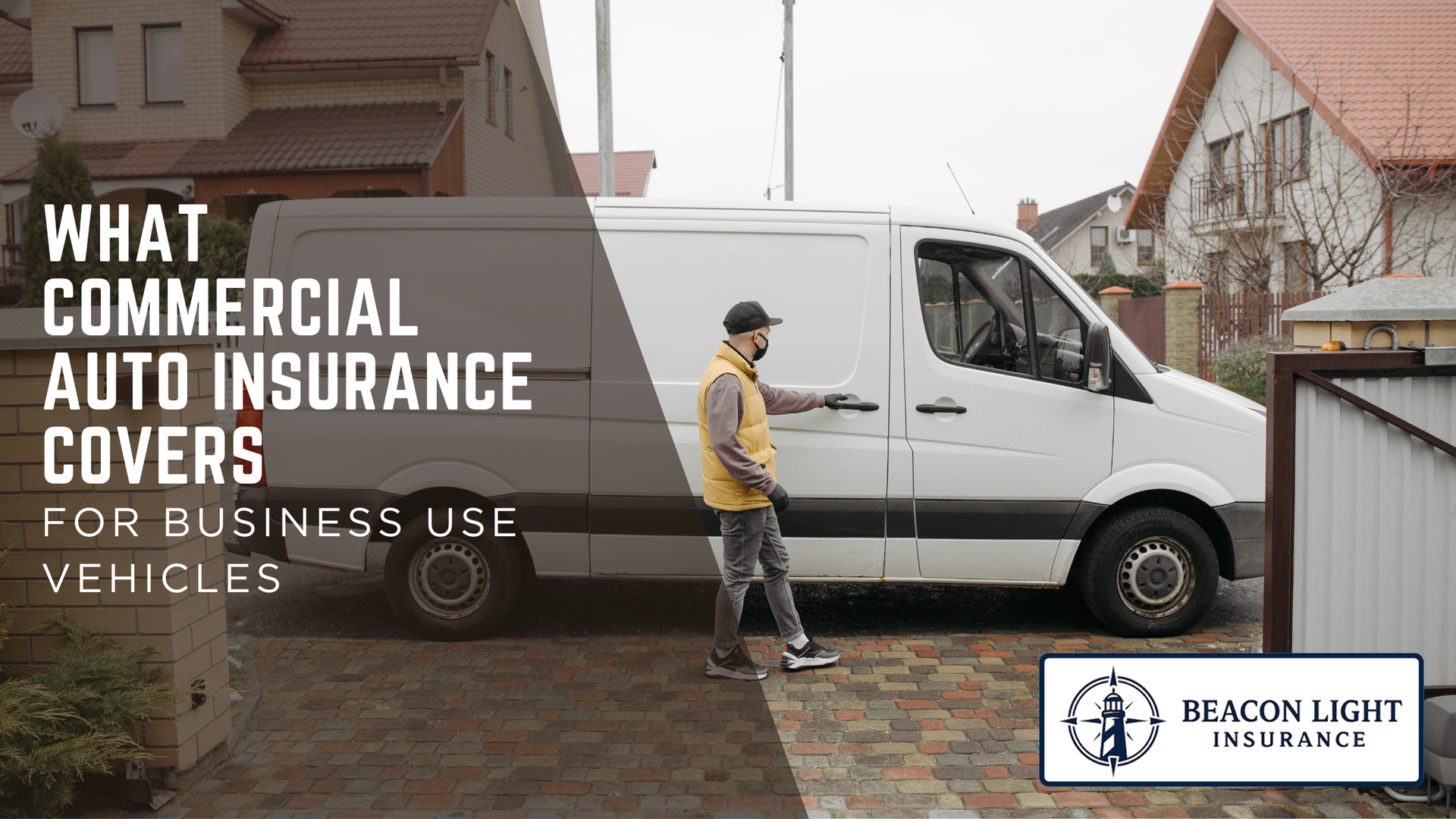
Commercial auto insurance helps cover vehicles used for business purposes, including liability for injuries or property damage, and it may also include protection for vehicle damage, medical expenses, and uninsured drivers depending on the policy.

A joint life insurance policy covers two people under one contract, but the way it pays depends on how the policy is structured. Some joint policies pay after the first death,
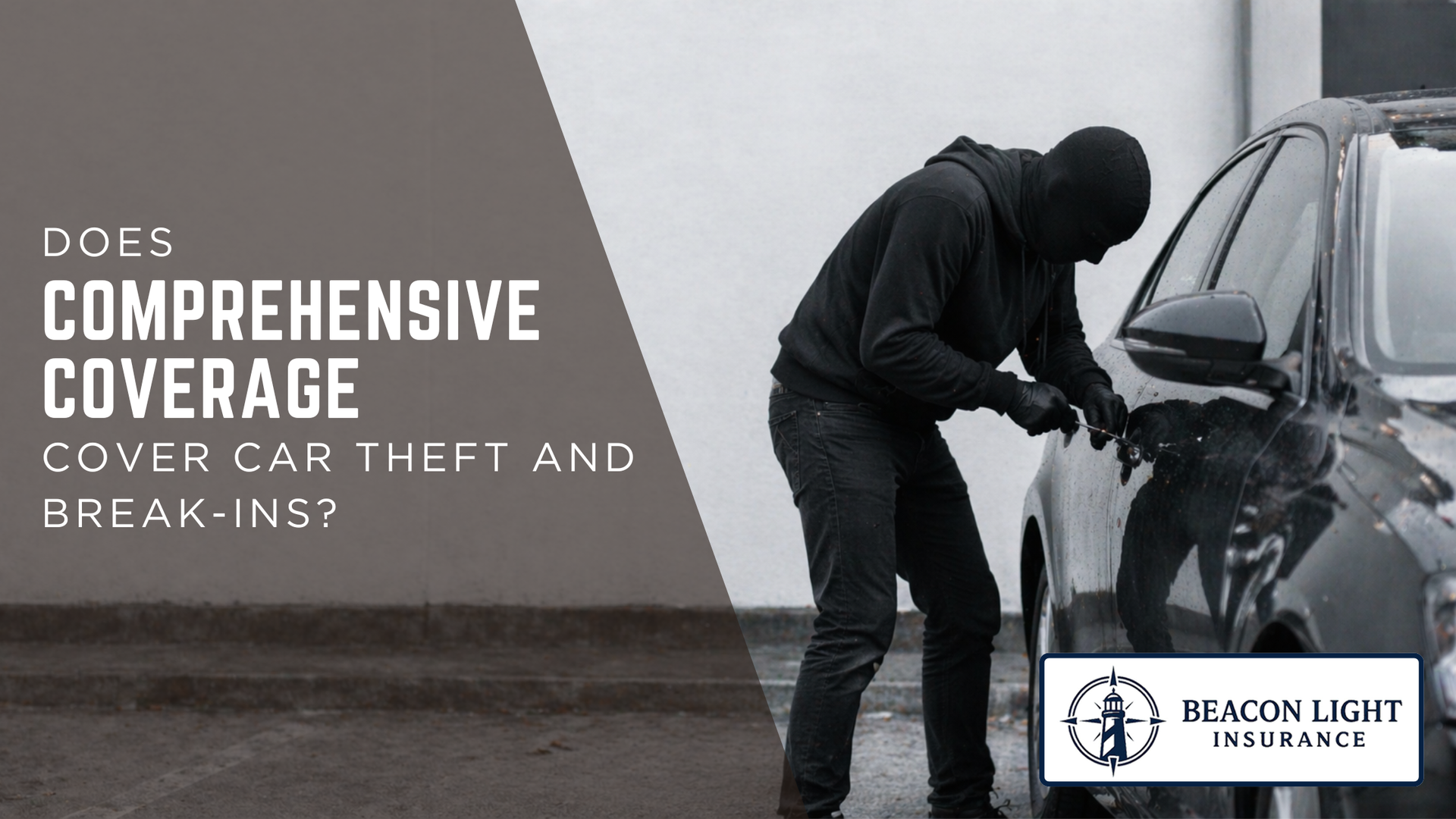
Yes, comprehensive coverage usually helps cover vehicle theft and damage caused by break-ins, but it does not automatically cover every loss connected to stolen personal belongings inside the car. It is the part of an auto policy that generally applies to non-collision losses like theft, vandalism, broken windows, and
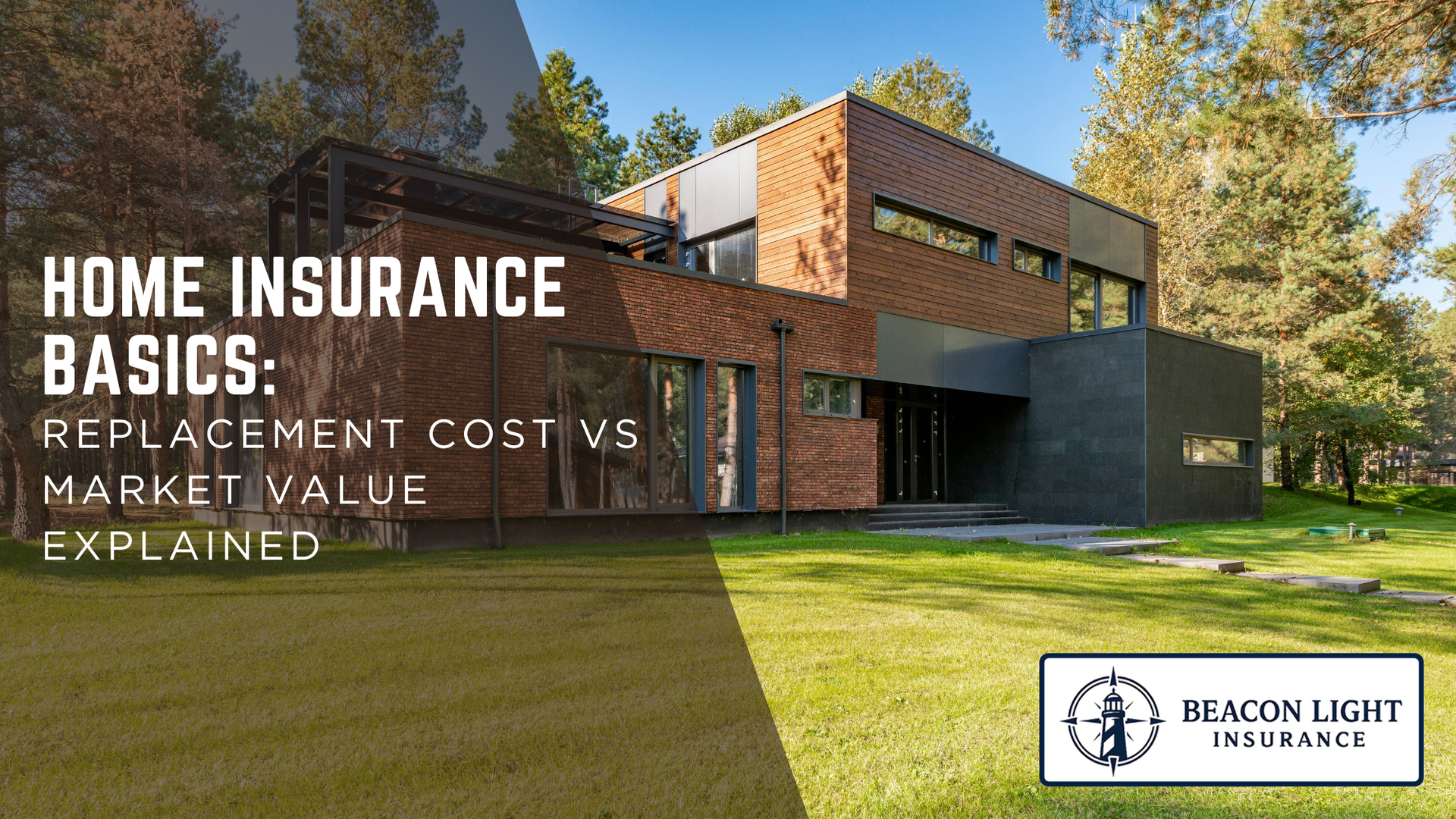
Replacement cost and market value are not the same thing, and confusing them can leave a homeowner underinsured. In home insurance, replacement cost is usually the more important number because it reflects what it would cost to rebuild or repair the home, while market value reflects what the property could sell for in
A Business Owner’s Policy, or BOP, is often a practical starting point for small to midsize businesses that need core protection without building a custom insurance program from scratch. It typically bundles general liability and commercial property coverage, and may also include business interruption protection depend

Universal life and whole life are both forms of permanent life insurance, but they are built differently. Whole life is generally more structured and predictable, while universal life usually offers more flexibility in premiums and policy design.

Auto liability insurance helps pay for injuries and property damage you cause to other people in an accident, but having some liability coverage is not the same thing as having enough. The real question is whether your current limits could handle a serious crash without exposing your savings, income, or future assets.
Home insurance myths can lead homeowners to underinsure the property, misunderstand what is actually covered, or delay fixing problems until a claim is denied or limited. The most expensive mistakes usually come from assuming the policy is broader, simpler, or more automatic than it really is. For many homeowners in St
Business insurance supports long-term growth by protecting cash flow, stabilizing operations after setbacks, and helping companies qualify for better contracts, loans, and partnerships. In our years of professional service, we’ve found that businesses grow faster—and with less disruption—when their insurance program is built proactively around real risks, not just minimum requirements. Growth is exciting, but it also increases exposure. More customers, more employees, more equipment, more vehicles, and bigger contracts all create more ways a single incident can cause financial damage. A lawsuit, a property loss, a cyber event, or a serious injury can drain cash and derail momentum right when a company is scaling. The purpose of business insurance isn’t to slow growth with paperwork—it’s to make growth resilient. For business owners in Star, ID, where many companies scale by adding service areas, hiring, upgrading equipment, or moving into larger facilities, insurance is often the difference between “a temporary setback” and “a lasting financial hit.” This guide explains the practical ways business insurance supports long-term growth, the coverages that matter most, and how to structure protection so you can expand with confidence. Why growth increases risk (and why insurance becomes more valuable) As a business grows, risk doesn’t rise in a straight line—it multiplies. More activity means more chances for something to go wrong. Growth-related risk multipliers include: More customer interactions (more liability exposure) More staff (more employment-related and injury exposure) More assets (more property and equipment exposure) More revenue (higher business interruption impact) More vendors and subcontractors (contract and certificate risk) More data and digital activity (higher cyber exposure) More travel and deliveries (higher auto exposure) Many business owners think insurance is something you “get once.” In reality, insurance is a living part of the business strategy that should evolve as operations expand. Business insurance supports growth in four practical ways 1.Protecting cash flow after a loss Cash flow is the lifeblood of growth. Even a profitable company can struggle if a loss forces large, unexpected expenses. Insurance can help stabilize cash flow by covering: Liability claims and legal defense (general liability) Property damage (commercial property coverage) Income loss during shutdowns (business interruption) Damage to tools or equipment (inland marine/equipment coverage) Auto accidents involving company vehicles (commercial auto) Without these protections, growth capital can be redirected to crisis spending—slowing hiring, delaying expansion, or forcing debt. 2.Keeping operations running (business continuity) Many companies can survive a small setback. Larger disruptions—fire, storm damage, major theft, water loss, equipment failure—create operational downtime. A strong insurance program supports continuity through: Business interruption coverage (replaces lost income during a covered interruption, subject to terms) Extra expense coverage (pays for costs to keep operating, like temporary space or expedited shipping) Equipment breakdown coverage (helps repair/replace key systems, policy-specific) Supply chain and dependency planning (often risk-managed through coverage and operational controls) Businesses that serve customers across communities and commute corridors often have schedules that depend on reliable access to facilities and equipment. A disruption near busy routes leading toward Eagle Road can quickly create missed appointments and reputational damage. Coverage that funds a faster return to operations is a growth advantage, not just a safety measure. 3.Qualifying for better contracts and partnerships As businesses grow, they compete for higher-value clients—commercial accounts, municipal work, vendor partnerships, and larger projects. Many of these opportunities require specific insurance terms. Insurance can help you win work by meeting requirements such as: Specific general liability limits (often $1M/$2M or higher) Additional insured endorsements Waiver of subrogation Primary and noncontributory wording Workers’ compensation coverage Commercial auto coverage with specific limits Umbrella liability for higher-risk contracts Professional liability or E&O for advisory/design work (when applicable) The “cost of being underinsured” isn’t just claims—it’s lost opportunities. We’ve seen businesses lose jobs because they couldn’t provide correct certificates or endorsements in time. 4.Supporting smarter risk-taking (confidence to invest and hire) Growth requires decisions: hiring staff, purchasing vehicles, leasing a building, investing in inventory, or launching a new service. Insurance helps you take those steps with controlled downside. When insurance is structured well, it can: Protect new assets as you acquire them Reduce the impact of employee injuries or customer incidents Shield the owner’s personal finances from business claims (though business structure and legal steps matter too) Make lenders and landlords more comfortable with your business Provide a clearer financial plan for “what if something happens?” In our years of professional service, we’ve found that owners with strong protection are more willing to invest in scaling because one bad week is less likely to undo years of progress. Core business coverages that support long-term growth Not every business needs every policy, but growth-oriented programs often include these foundations: General liability (GL) Protects against third-party claims of: Bodil y injury Property damage Personal/advertising injury (policy-specific) Includes legal d efense for covered claims. Business Owners Policy (BOP) Often bundles: Gener al liability Commercial property May include option s for business interruption and common endorsements. Commercial property Protects your building (if owned) and business contents (equipment, inventory, furnishings), subject to terms. Business interruption / extra expense Helps cover income loss and additional costs during a covered interruption. Workers’ compensation (where applicable) Helps cover employee injuries and related medical/lost wage costs, subject to state rules and policy terms. Commercial auto Protects vehicles used for business, and the liability exposures associated with them. Professional liability / E&O (when relevant) Important for businesses that provide advice, design, consulting, or specialized professional services. Cyber liability (increasingly essential) Helps with costs associated with: Data b reaches Cyber extortion Incident response and notification Business interruption from cyber events (policy-specific) Umbrella liability Adds an extra layer of liability limits above underlying policies (GL, auto, etc.), subject to policy terms. Common coverage gaps that hurt growing businesses Growth often outpaces insurance updates. The most common gaps we see include: New se rvices added but not disclosed to the insurer Coverage can be affected if the business class changes. Underinsured property values Equipment and inventory grow, but policy limits remain the same. Missing business interruption coverage Owners focus on physical assets but forget income exposure. Employees using personal vehicles for work without coverage alignment Hired/non-owned auto liability may be needed. Subcontractors without verified insurance Claims become messy when contracts and certificates are not managed. No cyber protection despite growing digital operations Liability limits too low for bigger contracts Any time revenue, payroll, vehicles, or equipment increases meaningfully, it’s time to review the program. Small changes can prevent big gaps. A simple annual insurance review checklist for growth To keep your coverage aligned as the business expands, review these items at least annually (or after major changes): Revenu e and payroll updated New hires and job roles reflected accurately New locations, leased spaces, or property changes added Equipment and inventory values updated Vehicle list and drivers updated New services or subcontractor relationships disclosed Contract requirements reviewed (COIs, endorsements, limits) Cyber exposure reviewed (data, systems, payment processes) Liability limits evaluated against new contract sizes Business interruption coverage reviewed against real monthly expenses Growing businesses near Star Riverwalk Park often expand by adding service vehicles, hiring crews, and taking on larger projects. Those changes may look operational on the surface, but they also change insurance needs—especially auto, workers’ comp, and liability limits. Conclusion Business insurance supports long-term growth by protecting cash flow, keeping operations resilient after setbacks, and helping companies qualify for bigger opportunities through contract-ready coverage. As businesses grow, risks multiply—so the smartest approach is proactive: adjust limits, add key protections, and close gaps before they cause disruption. In our years of professional service, we’ve found that a well-built insurance program doesn’t just respond to problems—it enables confident expansion by reducing the financial consequences of the unexpected. For business owners in Star, ID, the right coverage is a growth tool that helps you hire, invest, and scale with stability. At Beacon Light Insurance, we put our clients first by helping them find reliable insurance coverage that fits their needs and budget. Insurance is an essential part of protecting what matters most, and our experienced team is here to guide you every step of the way. To learn more about our products and services, call us at (208) 820-2880 or request a free, no-obligation quote by Clicking Here . Disclaimer: The information provided in this blog is for general informational purposes only and does not constitute professional insurance advice. Coverage options and requirements can vary based on individual circumstances. For personalized recommendations, please consult a licensed insurance agent or qualified professional who can help you make informed decisions based on your specific needs. Beacon Light Insurance Star, ID (208) 820-2880 https://www.beaconlight-insurance.com/
Home insurance becomes outdated when your coverage limits, endorsements, and policy details no longer match your home’s current rebuild cost, upgrades, or risk profile—leaving you exposed to large out-of-pocket losses after a claim. In our years of professional service, we’ve found that most coverage gaps come from lif